Supporting Your Child’s Mental Health During the Back-to-School Transition
Back-to-school mental health is just as important as buying school supplies or preparing for the first day of school. The start of a new school year can bring excitement, new opportunities, and a fresh routine. It can also bring stress, worry, and big emotions for both children and parents.
As a parent or caregiver, you can help your child navigate this transition with confidence. Small actions like listening, keeping routines consistent, and checking in regularly can make a lasting difference in your child’s emotional well-being throughout the school year.
Why the Back-to-School Transition Can Be Challenging
Going back to school means adjusting to a new schedule, different expectations, and busy days. Even positive changes can feel overwhelming.
Every child responds differently. Some may be excited but still have worries they don’t know how to express. Others may become more emotional, complain of headaches or stomachaches, or seem quieter than usual.
Feeling a little anxious is a normal part of starting something new. With support at home, most children adjust over time and gain confidence in their new routine.
While you can’t take away every worry, there are simple ways you can help your child feel more confident and prepared for the school year ahead.
Five Ways to Support Your Child’s Mental Health
1. Create Consistent Routines
Children thrive on routine. A regular bedtime, predictable mornings, and a calming after-school routine can help reduce stress and make the school day feel more manageable.
2. Make Time to Talk
Check in with your child each day, ask open-ended questions, and listen without rushing to solve every problem. Feeling heard helps children feel safe sharing what’s on their mind.
3. Build Confidence Through Encouragement
Focus on effort, kindness, and growth—not perfection. Remind your child that mistakes are part of learning.
4. Practice Healthy Coping Skills
Help your child find healthy ways to manage stress, such as taking deep breaths, going for a walk, drawing, listening to music, or talking with a trusted adult. These simple habits can make a big difference when challenges come up.
5. Stay Connected
Keep checking in after the excitement of the first week has passed. Regular conversations help you understand how your child is adjusting and create opportunities to offer support when it’s needed.
Signs Your Child May Need Extra Support
It’s normal for children to have difficult days. However, if changes in your child’s mood or behavior last for several weeks or begin affecting school, friendships, or life at home, it may be time to seek additional support.
Some signs to watch for include:
- Frequent stomachaches or headaches before school
- Ongoing worry or fear about going to school
- Trouble sleeping or changes in appetite
- Avoiding friends or favorite activities
- Increased sadness, irritability, or emotional outbursts
- Difficulty concentrating or a sudden drop in school performance.
If you’re concerned, trust your instincts. Reaching out early can help your child develop healthy coping skills before small challenges become bigger ones.
How School-Based Therapy Can Help
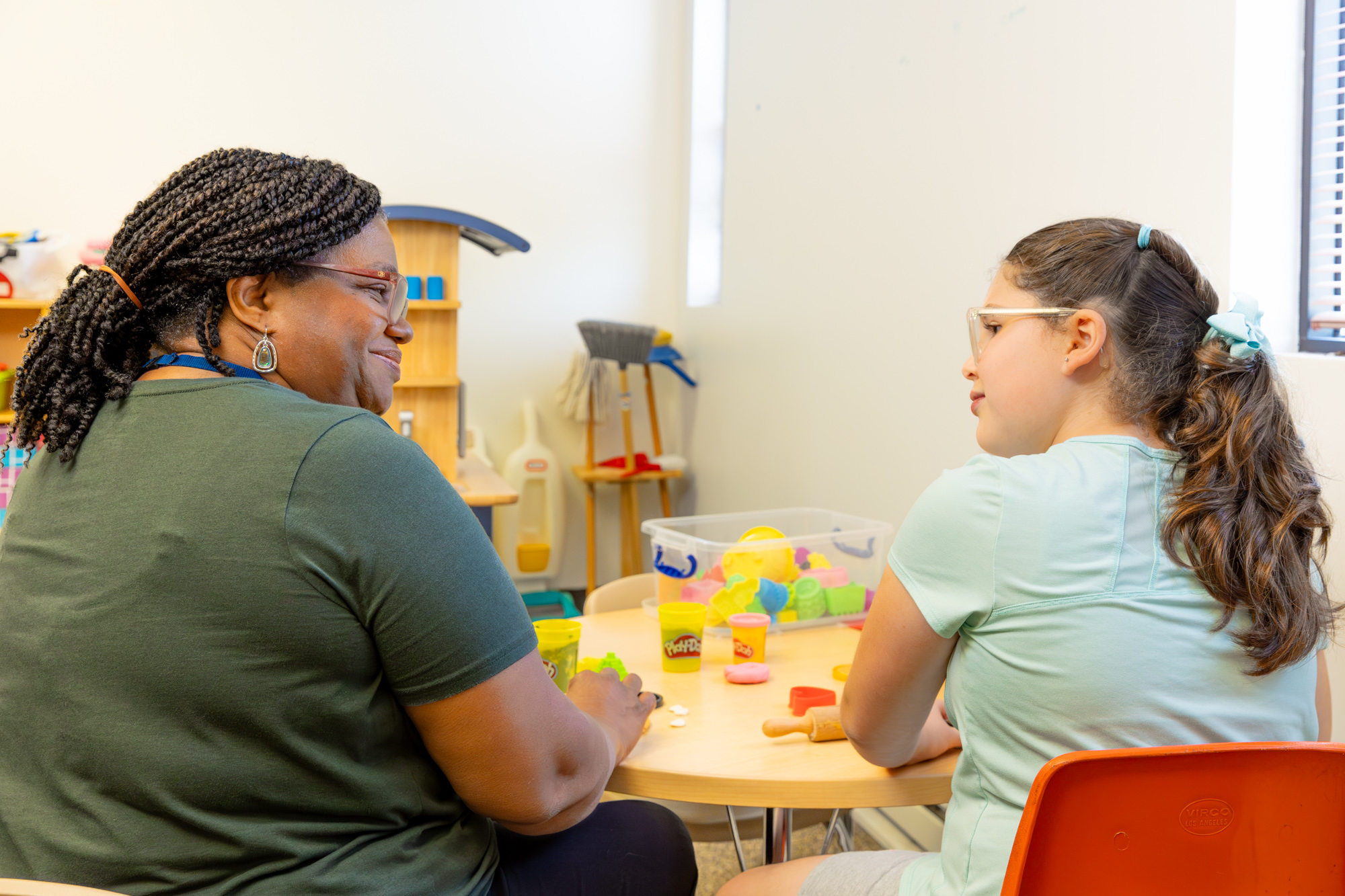
Sometimes, children need more support than parents or teachers can provide on their own. That’s where school-based therapy can help.
Wyandot Behavioral Health Network’s School-Based Therapy Program brings licensed therapists into participating schools, making mental health care easier to access.
Our therapists work closely with school staff and caregivers to create a coordinated plan that supports each student’s emotional, behavioral, social, and academic well-being. Meeting with a therapist at school allows children to receive care in a familiar environment. It also reduces barriers like transportation and time away from class.
Services may include individual or group counseling that helps students:
- Build healthy coping skills
- Manage emotions
- Strengthen relationships
- Improve problem-solving skills
- Build confidence
While many therapy sessions take place at school, therapists can also meet with students and families at home or in the community when appropriate. Services continue during school breaks, providing consistent support throughout the year.
Get Started with School-Based Therapy
If you’re concerned about your child’s mental health, remember that support is available. Reaching out early can help your child build healthy coping skills and thrive at school, at home, and beyond.
If you’d like to learn more about Wyandot Behavioral Health Network’s School-Based Therapy Program or find out whether services are available through your child’s school, complete the form below. A member of our team will answer your questions and help you determine the next steps.
Request a Service
"*" indicates required fields