Last month, I shared how Certified Community Behavioral Health Clinics (CCBHCs) are strengthening crisis response and expanding access to comprehensive behavioral healthcare across Kansas. But what happens after the crisis is over? What happens when someone walks through our doors looking for help?
The answer is one of the greatest strengths of the CCBHC model: comprehensive behavioral health care delivered through coordinated, person-centered services.
Imagine trying to rebuild your life while juggling appointments with multiple organizations that don’t communicate with one another. You have to tell your story over and over again, navigate different systems, and figure out where to turn next. The CCBHC model was designed to change that.
How Comprehensive Behavioral Health Care Supports Recovery
Because the truth is that recovery doesn’t happen through one appointment or one provider. It happens through the support of a team.
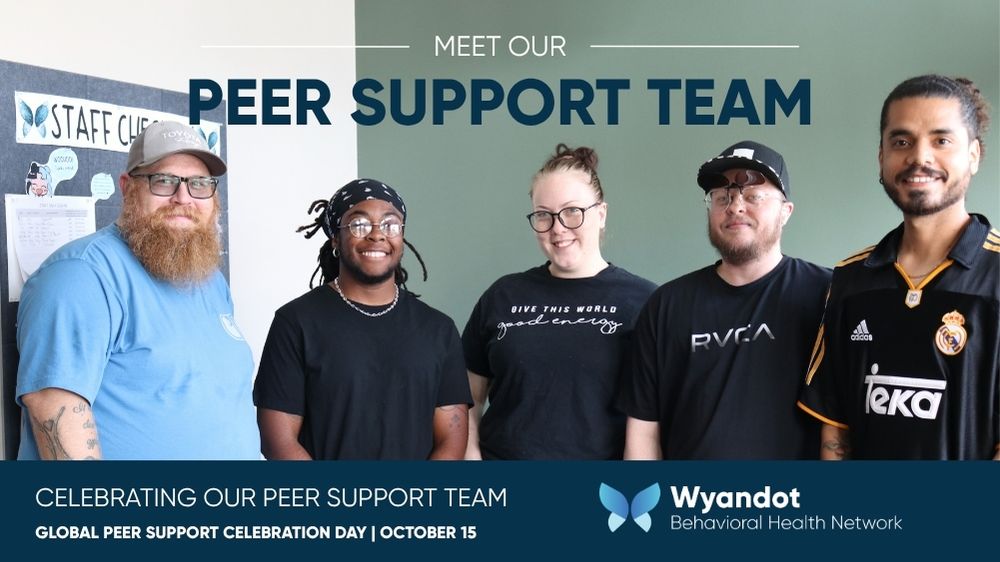
That team looks different for everyone. One person may work with a therapist and a peer support specialist who has walked a similar path. Another may need care coordination to connect with healthcare, housing, or community resources. For many people, an important member of their care team is a vocational consultant from our Individual Placement and Support (IPS) program.
Employment might not be the first thing people associate with behavioral healthcare, but meaningful work can be a powerful part of recovery. A job provides more than a paycheck. It offers purpose, confidence, routine, and independence. Our vocational consultants work alongside therapists, psychiatrists, and case managers to help people find and maintain competitive employment while continuing to receive the additional behavioral health services they need.
Over the past year, our team of five vocational consultants helped 238 individuals with their vocational needs, resulting in 67 new job starts with 57 different employers throughout our community. Those jobs provided more than just a paycheck. They helped people purchase reliable transportation, move from homelessness into stable housing, and enjoy everyday experiences many of us take for granted, like attending a concert or buying a video game.
Why Comprehensive Care Matters for Our Communities
Recovery is not just helping someone through their hardest day. It’s helping them build a life beyond that day.
That’s why comprehensive, coordinated care matters. When providers communicate, services are connected, and people receive the support they need in one place, they spend less time navigating systems and more time focusing on recovery. Continuing to invest in the CCBHC model is also an investment in stronger communities.